
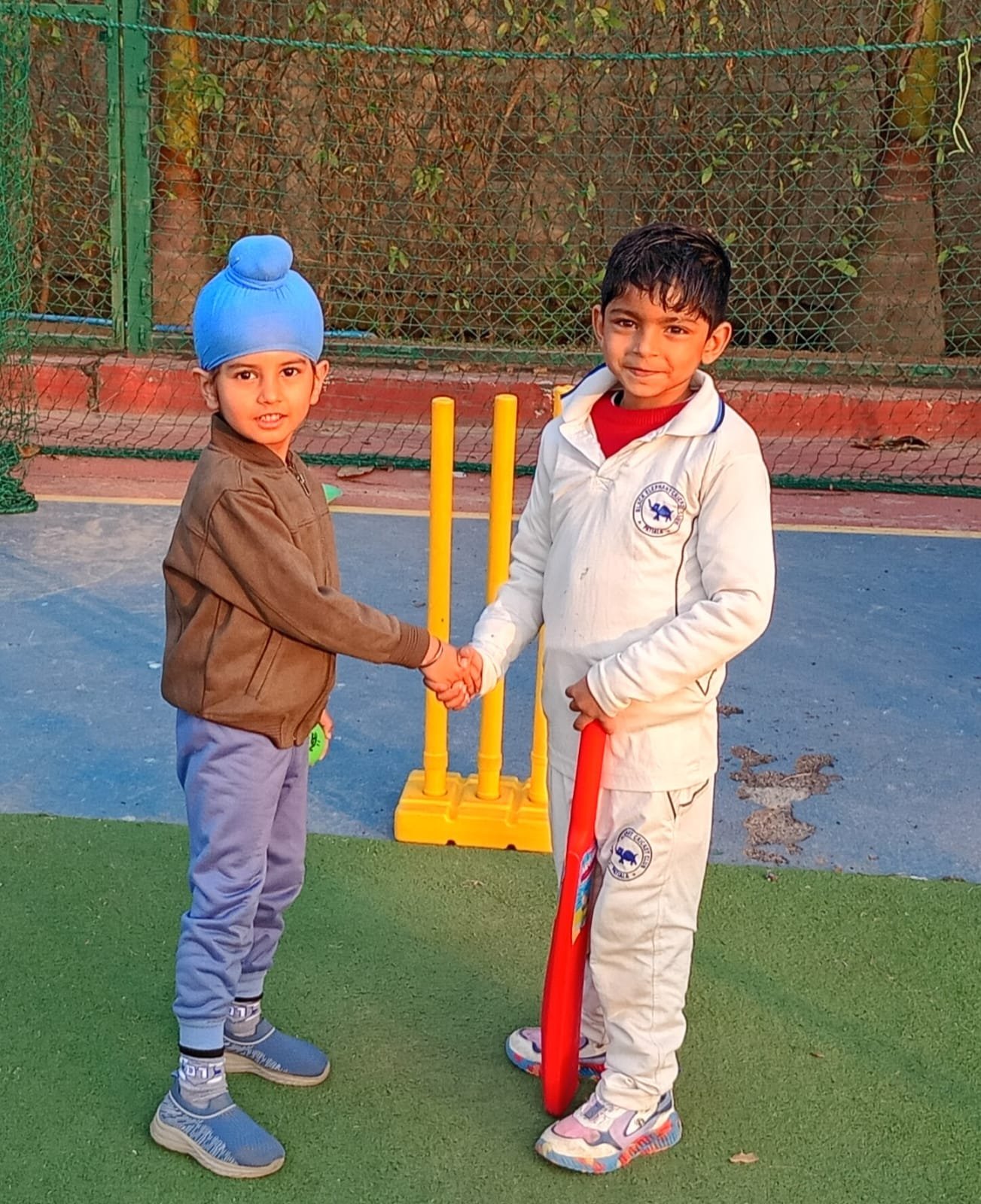
Cricket is a skill-based sport, but physical fitness also plays an important role in a young cricketer’s development.
A player may have excellent batting or bowling skills, but good fitness can help them stay active throughout a match, move efficiently on the field, and maintain concentration when the game becomes demanding.
For young cricketers, fitness should be developed gradually with proper guidance and age-appropriate training.
1. Fitness Helps Improve Movement
Cricket involves constant movement.
Players need to run between the wickets, chase the ball, change direction quickly, and react to different situations on the field.
Developing basic strength, coordination, mobility, and agility can help young players move more effectively.
2. Strong Legs Support Cricket Performance
Leg strength is important for many cricket movements.
A batsman needs a strong base to move towards the ball, while bowlers rely on their legs during the run-up and delivery.
Simple age-appropriate exercises such as bodyweight squats, controlled lunges, and movement drills can help develop lower-body strength when performed with proper technique and coaching.
3. Agility Helps on the Field
Fielding often requires quick reactions and changes of direction.
Agility drills can help young cricketers practise accelerating, stopping, turning, and reacting to the ball.
Simple cone drills can make these exercises both challenging and enjoyable.
4. Endurance Helps Players Stay Involved
Cricket matches can last for long periods.
Players need enough endurance to remain active and focused throughout their time on the field.
Running drills, games, and other age-appropriate conditioning activities can gradually help develop endurance.
The focus should be on consistent development rather than excessive training.
5. Mobility Supports Better Movement
Good mobility allows players to move through different cricket positions more comfortably.
Regular movement exercises can support flexibility and help players perform cricket skills with better control.
Young cricketers should always learn exercises correctly and avoid forcing movements beyond their comfortable range.
6. Recovery Is Part of Training
Training is only one part of development.
Young athletes also need enough rest and recovery between demanding sessions.
A balanced routine should include:
- Adequate sleep
- Regular hydration
- Nutritious meals
- Rest days
- Appropriate training loads
Recovery helps young players stay ready for their next training session.
7. Fitness Should Support Cricket Skills
Fitness training should not replace cricket practice.
Instead, it should support batting, bowling, and fielding development.
The best training programmes combine cricket-specific skills with suitable physical preparation, depending on the player’s age and development level.
Final Thoughts
Fitness is an important part of becoming a well-rounded young cricketer.
By developing movement, agility, strength, endurance, mobility, and good recovery habits under appropriate guidance, young players can build a strong foundation for their cricket journey.
The goal is not simply to train harder. It is to train smart, develop good habits, and enjoy the process of becoming a better player.
Stay active. Train smart. Keep improving.